Overview
Join SRF Travels Sri Lanka on a 10-day bird watching and wildlife tour across the island’s top national parks and birding hotspots. Discover endemic birds of Sri Lanka, rare wildlife species, and UNESCO World Heritage sites. From the coastal wetlands of Negombo to the mystical rainforest of Sinharaja, this eco-friendly safari offers unforgettable encounters with leopards, elephants, migratory birds, and more.
Experience the best bird watching and wildlife safari in Sri Lanka with SRF Travels. Explore Wilpattu, Minneriya, Sinharaja Rainforest & more in this 10-day private eco tour. Perfect for nature lovers and birders.
Trip Highlights
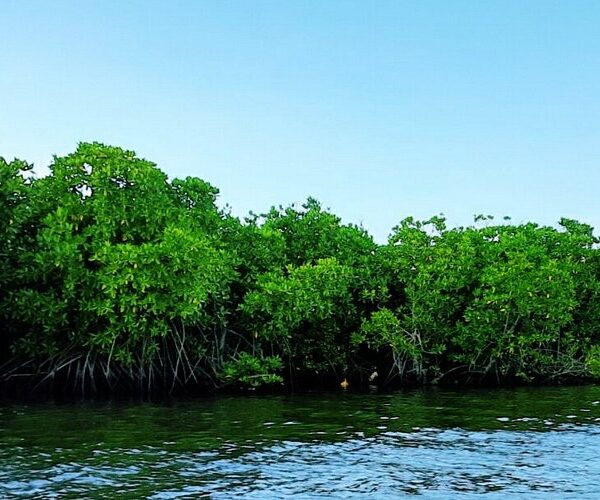
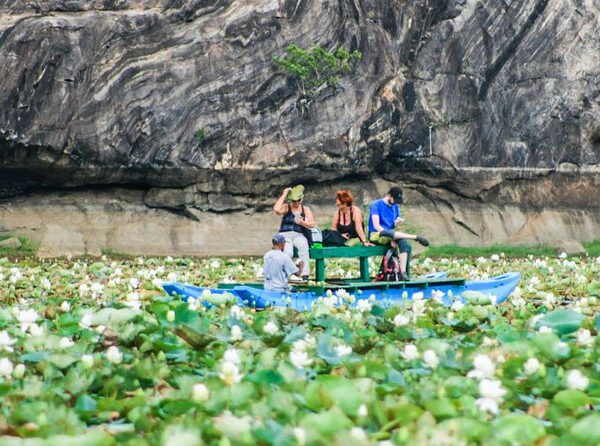
- Boat safari through wetlands to see kingfishers, herons & cormorants.
- Visit UNESCO-designated Ramsar site & spot migratory birds.
- Full-day safari to spot leopards, sloth bears, eagles, and hornbills.
- Explore UNESCO Sigiriya Fortress & elephant safari
- Birding in a secluded park with elephants and forest raptors
- Walk through cloud forests and spot endemic highland birds
Itinerary
Airport pick-up by SRF Travels Sri Lanka.
Evening bird watching tour at Muthurajawela Wetland Sanctuary – known for purple herons, kingfishers, and cormorants.
Relax at your beachside eco-hotel.
Travel north to Wilpattu National Park, Sri Lanka’s largest and oldest park.
Stop at Anavilundawa Ramsar Wetland to spot waterfowl and waders.
Evening leopard-spotting safari.
Full-day jeep safari with expert naturalist guide.
Look for Painted Stork, Ceylon Grey Hornbill, and Sloth Bears.
Morning visit to Sigiriya Rock Fortress – bird-rich dry zone forest.
Evening elephant safari at Minneriya or Kaudulla.
Birds spotted: Grey-headed Fish Eagle, Indian Roller, Junglefowl.
Scenic drive to Wasgamuwa National Park, known for quiet wildlife viewing.
Encounter endemic bird species and wild elephants.
Birding stop at Riverston, a misty mountain pass rich in biodiversity.
Species include: Sri Lanka Blue Magpie, Yellow-fronted Barbet.
Evening in Kandy, cultural capital of Sri Lanka.
Early birding walk at Udawatta Kele Sanctuary in Kandy.
Travel to Nuwara Eliya – “Little England” of Sri Lanka.
Afternoon in Victoria Park for Pied Thrush, Indian Pitta sightings.
Visit Horton Plains, Sri Lanka’s only montane cloud forest park.
Spot the Sri Lanka Whistling Thrush, Dull-blue Flycatcher, and highland endemics.
Drive to Sinharaja Rainforest Reserve, UNESCO Biosphere.
Evening birding in buffer zones – look for Ashy-headed Laughingthrush, Legge's Flowerpecker.
Morning guided trek in Sinharaja Rainforest, home to 21 endemic bird species.
Return to Colombo or airport in time for departure.
Cost
Code Includes
- Private vehicle with English-speaking driver/guide.
- All national park entry fees & jeep safaris
- Accommodation in eco-lodges and wildlife camps.
- Daily breakfast and bottled water
- Airport pick-up and drop-off.
Cost Excludes
- Lunch and Dinner – unless specified in the itinerary
- Visa Fees – to be arranged by the traveler
- Travel Insurance – we recommend purchasing independently
- Alcoholic Beverages and Soft Drinks during meals
- Personal Expenses – souvenirs, laundry, tips, etc.
- Camera and Video Permit Fees (where applicable, e.g., some national parks)
- Optional Activities or Excursions not listed in the itinerary
Frequently Asked Questions (FAQs)
Annapurna Base Camp is a Grade B or a moderately difficult trekking route. So any fit person can do this trek, even if you do not have any previous experience. You should be aware of what to expect and mentally prepare for it. Then, as long as you will too, you can.
On average, you walk about 4 to 6 hours per day. One or two days can be as less as 3hrs and one or two days can be as long as 7hrs.
The highest altitude reached is 4190m. This is the elevation of Annapurna Base Camp. ABC is the highest we will climb in this trek.
Yes, you can charge batteries en route. Charger should be brought. There are hot shower facilities as well. You may have to pay a certain amount for both ($1-$2). Negotiate. Also, a hot water facility could be free at a lower elevation.
No. There are no ATMs on this trek route. You will have to draw enough cash in Pokhara or Kathmandu. There are a number of ATMs in these cities. Everything is paid in Nepali rupees. So money should be exchanged before the start of the trek.
Yes. The Internet can be accessed in most places. Sometimes, there might be some technical problems. The Internet in Nepal is not as fast as you are used to and at times you can just lose connection.
Not really. It depends on you. If you want, ABC trekking can be done independently. You could hire a guide and a porter by yourself instead of going through an agency or not hire a guide at all. Although, not having a guide can be a little problematic during the offseason.
It really depends on you. Is it your first time in Nepal? How confident are you of being able to find your way around? How pressed on time are you? If you go through an agency, it will be costlier but everything will be planned. You will only have to come, trek and return.
For the Annapurna region, pay for guides range from $20 to $30 per day and porters take $15 to $25 per day.